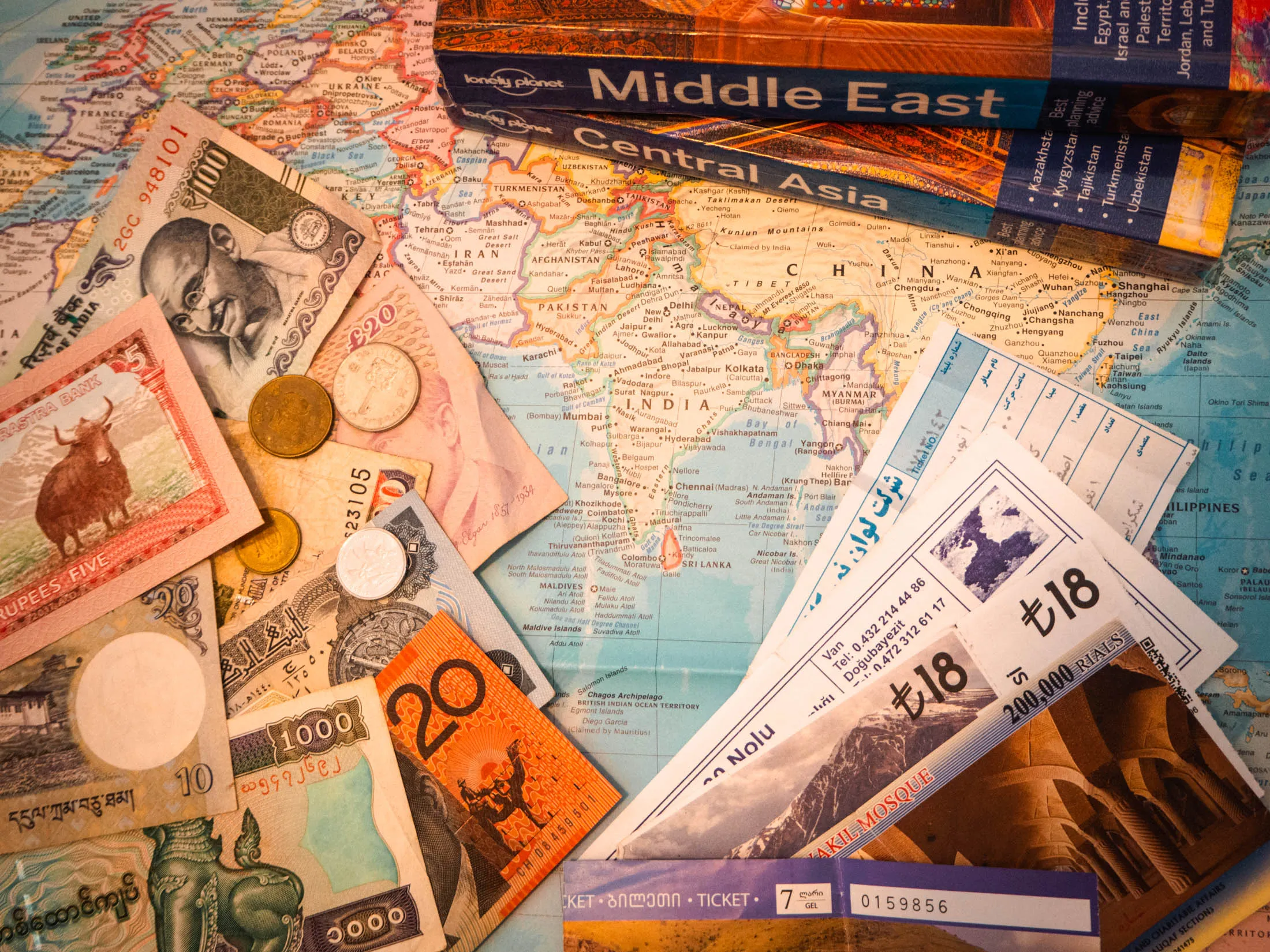
I still remember the first time I tried “budget travel” the wrong way. It was 2018, a two-week trip to Greece that looked magical on Instagram. Reality? Overpriced souvlaki, surprise hotel fees, and a credit card bill that made me swear off travel for a year. Fast-forward to today, and I’ve visited 40-plus countries on a shoestring—sometimes under $50 a day—while still eating like a local, sleeping in clean beds, and coming home with stories instead of debt. This guide is my no-fluff Life Kit: practical, tested steps drawn from real trips, expert advice, and the same smart strategies NPR’s Life Kit episode highlighted back in early 2025. Whether you’re solo, with kids, or planning a couples escape, you’ll learn exactly how to travel on a budget without sacrificing joy.
Budget travel isn’t about suffering. It’s about intention. When you stop chasing perfection and start chasing value, the world opens up. Let’s build your kit.
Why Defining Your Trip’s Purpose Saves You Money (and Sanity)
Before you open a single booking tab, ask yourself one question: What do I actually want from this trip? Relaxation? Adventure? Family bonding? Cultural deep dives? That single answer becomes your spending compass. When I planned a week in Portugal with my partner, we decided the goal was “good food and slow mornings.” We skipped expensive Lisbon tours and splurged on a tiny Airbnb with a kitchen instead. Result? We ate better and spent 30% less than our original plan.
Purpose keeps you from blowing cash on things that don’t matter. A wine-lover’s trip to Tuscany can be swapped for New York’s Finger Lakes region with equally charming B&Bs and trails—at half the price. Families focused on connection might pick a suburban homestay over a central hotel. The clearer your “why,” the easier it is to say no to the extras that inflate every budget.
Building a Travel Savings Fund That Actually Works
Saving for travel sounds obvious until you realize most people wing it and end up stressed. Start six months out—or sooner if you can. I track every expense in a simple spreadsheet and automatically transfer $400–600 monthly into a high-yield “Adventure Account.” Cut one subscription, skip two takeout nights, and suddenly you’ve got a buffer.
Add a 10–20% contingency fund for the inevitable curveballs—delayed flights, a lost phone, or that one meal that costs triple because you were hangry. Financial advisors recommend treating travel savings like a non-negotiable bill. Apps like Mint or YNAB make it painless. And don’t forget grants or loyalty programs if you qualify—some organizations help families or seniors stretch further.
The best part? Watching that fund grow feels better than any impulse buy. It turns “someday” into “next spring.”
Choosing Budget Destinations That Feel Like a Splurge
Not all places cost the same. Southeast Asia, Eastern Europe, and parts of Latin America still deliver incredible value in 2026. Think Vietnam street food for pennies, Polish castles with $20 entry, or Albanian beaches where a beer costs less than a coffee back home.
Even in pricier regions, smart swaps work wonders. Quebec mimics Paris vibes without the euro prices. Portugal’s smaller towns give Italy feels on a fraction of the budget. I once chose Krakow over Prague and saved enough to extend my trip by five days. Research average daily costs before you fall in love with a destination—tools like Numbeo or BudgetYourTrip show real numbers from recent travelers.
The secret? Go where the dollar (or your currency) stretches, not where influencers flock. Your memories will thank you.
Mastering Cheap Flights Without the Headache
Flights often eat the biggest chunk, but flexibility is your superpower. I use Google Flights’ explore map religiously—set alerts, compare nearby airports, and book midweek or red-eye flights. Off-season travel (think January in Santorini or September in Europe) can slash tickets by 40–60%.
Tools like Skyscanner, Going (formerly Scott’s Cheap Flights), and Hopper flag deals early. Book 3–6 months ahead for international trips, but watch for error fares too. I once snagged a $320 round-trip to Lisbon because I was willing to fly on a Tuesday at 6 a.m. Pack light—no checked bags—and you dodge another $50–100 hit.
Pro tip: Set price alerts now. The deal of the year might land in your inbox tomorrow.
Smart Accommodation Hacks for Every Traveler Type
Forget the myth that cheap means dirty. Hostels have evolved—family rooms in Spain or Germany feel like boutique hotels with kitchens. I’ve stayed in $15 dorms that included free breakfast and rooftop views.
For couples or solos, look at guesthouses booked directly with owners. House-sitting via TrustedHousesitters (around $100–200 yearly membership) has given me free stays in exchange for watering plants and cuddling cats. Airbnb works if you filter for kitchens and weekly discounts, but compare fees—sometimes a simple Ibis hotel with a fridge beats it.
Suburban stays cut costs dramatically while letting you live like a local. My favorite? A quiet neighborhood outside Paris where the metro ride was cheaper than the central hotel markup.
Eating Like a King on a Pauper’s Budget
Food is where budgets die quietly. My rule: Grocery stores and street markets for breakfast and lunch, sit-down dinners only when it counts. In Italy I grabbed fresh deli sandwiches from supermarkets for €4. In Thailand, night-market feasts kept me under $10 daily.
Cook when you can—Airbnbs with kitchens pay for themselves. Apps like Too Good To Go rescue perfectly good meals from restaurants for pennies. Drink tap water where safe, carry a reusable bottle, and say yes to free hotel breakfasts.
The emotional win? You taste real local life instead of tourist traps. Nothing beats haggling for mangoes at a morning market while the city wakes up.
Getting Around Like a Local (Not a Tourist)
Taxis and rideshares add up fast. Public buses, trains, and metros are cheaper, safer, and more interesting. In Chile, long-distance buses came with snacks and movies—cheaper than flying and way more scenic.
Rent a scooter or bike in smaller cities. Walk when possible. I once saved $80 in one day by skipping Ubers in favor of a city bike-share pass. Download offline maps and transit apps before you land.
For road trips, compare driving versus flying—including gas, tolls, and parking. Sometimes the slower route wins on both cost and experience.
Free and Low-Cost Activities That Create the Best Stories
The best memories rarely cost money. Free walking tours, museum days, hiking trails, and local festivals deliver gold. I’ve watched Carnival parades in Italy for free, hiked Patagonia-adjacent trails in cheaper regions, and joined community events through Couchsurfing hangouts (the safe, meetup version).
Libraries sometimes offer museum passes. Apps like TripAdvisor’s “Things to Do” filter by free. Ask locals—baristas and shopkeepers know the hidden gems.
The joy comes from presence, not price tags. You’ll remember the sunset you chased on foot longer than any paid excursion.
Packing Light: The Carry-On Revolution
Checked bags are budget killers. I travel with a 35L backpack and never regret it. Roll clothes, use packing cubes (or cheap Ziplocs), and follow the “if you haven’t worn it in two days, leave it” rule.
Multifunctional items—quick-dry towels, a scarf that doubles as a blanket, a power bank—save space and cash. I once avoided $120 in fees on a budget airline because my bag fit under the seat.
Light packing also means faster movement between places, which often means cheaper transport options.
Budgeting Tools and Apps That Do the Work for You
2026 has killer free tools. Splitwise handles group expenses without awkward math. Wise or similar cards dodge foreign transaction fees. XE Currency Converter keeps you honest on exchanges. Google Travel and Skyscanner for flights, Hostelworld for beds, and Ohayu or Airalo for cheap eSIM data.
I log everything in one spreadsheet during the trip—daily totals keep me accountable without obsession. Set a per-day cap and treat it like a game.
These apps turn vague “I’ll figure it out” into clear numbers.
Traveling With Others: Budget Talks That Strengthen Bonds
Money fights ruin trips. Have the conversation early. Share your purpose, set a daily budget, and decide who pays for what. With kids, involve them—let them track a souvenir fund or research free activities. My friend’s teen now builds spreadsheets and feels ownership instead of entitlement.
For couples or friends, use Splitwise transparently. One honest talk prevents resentment later. Communication is the cheapest upgrade you can buy.
Common Budget Travel Pitfalls and How to Dodge Them
Overplanning kills flexibility—and deals. Comparison to Instagram influencers steals joy. Skipping travel insurance for “just in case” is gambling with your whole trip.
I’ve learned the hard way: always have a backup plan, carry a small emergency cash stash, and remember that rest days save money too. Slow travel beats rushed, expensive mistakes every time.
People Also Ask: Real Questions About Budget Travel
How much money do I need to travel on a budget?
It depends on the destination and style, but $40–80 per day covers many places in Asia or Eastern Europe (food, transport, basic lodging). Western Europe or the US often runs $80–150. Factor in flights separately and always add that contingency buffer.
What is the cheapest way to travel the world?
Slow travel with public transport, cooking your own meals, and choosing shoulder-season destinations. House-sitting, volunteering, or work exchanges stretch dollars even further. Southeast Asia, India, and parts of South America top the value charts.
How do I find cheap flights?
Use Google Flights explore, set alerts, fly midweek or off-peak, and book 3–6 months ahead for international routes. Tools like Going and Skyscanner surface hidden deals.
Are hostels safe and comfortable for families?
Many now offer private family rooms with en-suite bathrooms. Read recent reviews, check ratings above 8.0, and consider places with kitchens and common areas for connection.
Can I travel on a budget with kids?
Absolutely. Involve them in planning, choose family hostels or Airbnbs with kitchens, and focus on free outdoor activities. Grants and transparent budgeting teach valuable lessons while keeping costs low.
FAQ: Your Quick-Reference Budget Travel Answers
How far in advance should I book everything?
Flights and major trains: 3–6 months. Accommodations: 1–3 months. Leave room for last-minute deals on activities.
Do credit cards or cash work better abroad?
Both. Use no-foreign-fee credit cards for big purchases to earn points. Carry local cash for markets and small vendors—ATMs with good cards minimize fees.
Is it worth joining loyalty programs?
Yes, especially free ones. Airline and hotel points can cover future trips. Even budget chains have programs that add up.
What if my budget trip goes over?
Adjust on the fly—skip one paid activity, cook more meals, or shorten a leg. Having that contingency fund prevents panic.
Can solo travelers do this safely?
Yes. Choose well-reviewed hostels, join group tours or walking tours, and use women-only or affinity communities when needed. Trust your instincts and share itineraries with someone at home.
Budget travel changed my life. It taught me resourcefulness, gratitude, and that the best experiences rarely come with a high price tag. Start small—one weekend trip using just three tips from this kit—and you’ll build confidence (and savings) fast. The world is waiting, and it doesn’t have to cost a fortune to explore it.
Pack your curiosity, not your worries. Your next adventure is closer than you think—and way more affordable than social media wants you to believe. Safe travels, friend. I’ll see you out there, living well on whatever budget you’ve got.