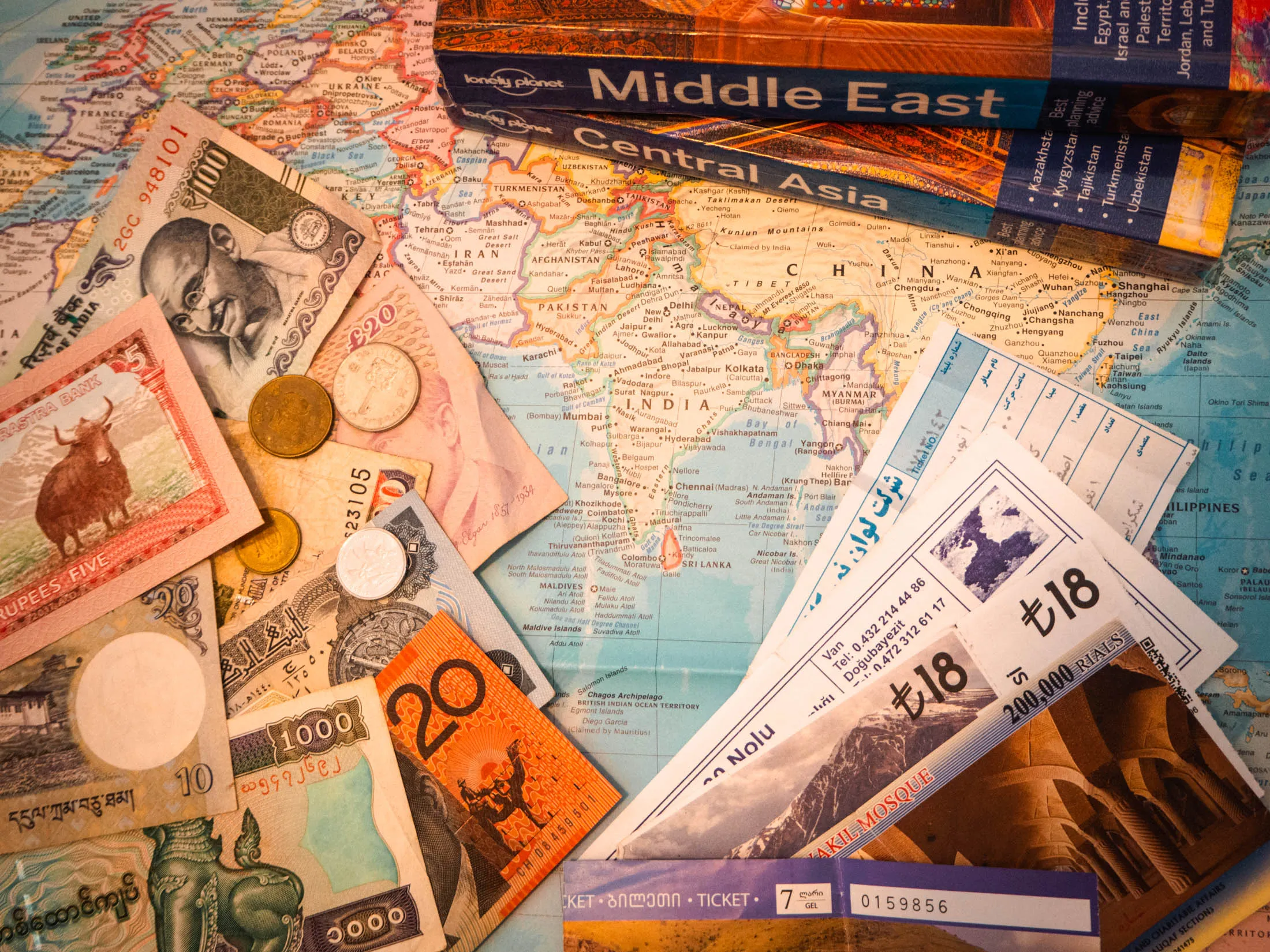
I still remember the first time I tried budget travel properly. Fresh out of university with a tiny savings account and a one-way ticket to Bangkok, I was terrified of running out of money before the adventure even began. Yet that trip taught me something powerful: travelling smart isn’t about sacrifice – it’s about stretching every rupee, dollar, or euro so you can stay longer, see more, and create memories that actually last. Over the years I’ve backpacked across Asia, Europe, and parts of the Middle East, always on a tight budget, and I’ve learned what works and what doesn’t. These 25 tips come straight from real experiences, trial and error, and plenty of happy mistakes. Whether you’re dreaming of your first solo trip or planning a family getaway from Lahore or anywhere else, this guide will help you travel farther without breaking the bank.
Budget travel has never been more relevant. With rising costs in 2026, smart travellers are rethinking how they spend rather than where they go. The good news? You don’t need to be rich to see the world. You just need the right mindset and a handful of proven strategies that turn ordinary trips into extraordinary ones.
Why Budget Travel is More Than Just Saving Money
Budget travel isn’t about skimping on fun – it’s about unlocking freedom. When you control costs, you gain the power to extend your stay, chase spontaneous side trips, or simply breathe easier knowing your adventure won’t leave you in debt. I’ve felt that rush after negotiating a fair price for a homestay or finding a hidden waterfall that cost nothing but a short hike. It builds confidence, teaches resourcefulness, and creates stories you’ll tell for years. Plus, it forces you to connect with locals in ways luxury tours rarely do.
Pre-Trip Planning That Saves Thousands
Solid planning is the foundation of every successful budget trip. Spending time upfront researching and organising pays off massively once you’re on the road, turning potential money pits into smooth, affordable experiences. I always start here because it prevents 80% of overspending surprises.
Tip 1: Set a Realistic Daily Budget and Track It Religiously
Before you book anything, decide exactly how much you can spend per day on food, transport, lodging, and activities. Use a simple app like Trail Wallet or even a notebook to log every expense in real time. On my first long trip through Southeast Asia, tracking daily costs helped me spot that I was blowing too much on coffee shops and adjust by switching to street vendors. This habit alone can cut your total spend by 20-30% without feeling restrictive.
Tip 2: Choose Destinations Where Your Money Goes Further
Pick places where the local currency stretches. Think Vietnam, Indonesia, Georgia, or parts of Eastern Europe instead of Western hotspots. From Lahore, I once flew to Tbilisi and lived like a king for under $35 a day. Research average daily costs on sites like Numbeo and match them to your savings. The key is balancing dream destinations with realistic affordability.
Tip 3: Travel During Shoulder or Off-Season
Avoid peak summer crowds and prices by going in spring, autumn, or even winter in some spots. Flights and rooms drop 30-50%, and you get a more authentic vibe. I visited Rome in November once and had the Colosseum almost to myself while paying half the summer rate. Just pack for variable weather and check local events.
Tip 4: Research and Compare Multiple Booking Platforms
Never book the first price you see. Cross-check Google Flights, Skyscanner, and Kayak, then book directly with airlines when possible. I saved $180 on a flight from Istanbul to Delhi by comparing three sites and catching a flash sale. Set price alerts early for the biggest wins.
Tip 5: Build in Flexibility with Dates and Routes
Flexible dates can slash costs dramatically. Use tools like Google Flights’ Explore map to spot cheap destinations. On one trip I shifted my departure by two days and saved enough for an extra week in Thailand. Flexibility turns budget constraints into exciting opportunities.
Mastering Flight and Transport Savings
Flights and getting around often eat the biggest chunk of any budget. Mastering a few smart moves here frees up cash for experiences that matter most. I’ve turned what used to be stressful booking sessions into almost-game-like savings hunts.
Tip 6: Book Flights Midweek and Use Price Alerts
Tuesday and Wednesday flights are usually cheapest because business travellers avoid them. Set alerts on Google Flights or Hopper so you never miss a drop. I once grabbed a return ticket to Europe for 40% less just by waiting for a Tuesday alert.
Tip 7: Opt for Budget Airlines Wisely and Avoid Hidden Fees
Low-cost carriers like Ryanair or AirAsia are lifesavers, but read the fine print on baggage and seat selection. Pre-pay extras online to avoid airport gouging. My rule: carry-on only unless the checked bag fee is truly worth it.
Tip 8: Consider Alternative Airports and Stopovers
Flying into a secondary airport 30 minutes away can save hundreds. Extended stopovers often cost little extra and let you explore another city for free. I turned a layover in Bangkok into five glorious days by booking separate tickets.
Tip 9: Leverage Points, Miles, and Reward Programs
Sign up for airline and hotel loyalty programs early. Even basic credit cards with no foreign fees can rack up points fast. I redeemed miles for a business-class upgrade once and felt like I’d won the lottery on a shoestring budget.
Tip 10: Use Public Transport Apps and Multi-City Tickets
Download Rome2Rio or local transit apps before you arrive. Train passes or multi-city bus tickets often beat flying domestically. In Europe I saved a fortune using Eurail on slower but scenic routes.
Accommodation Strategies That Cut Costs Dramatically
Where you sleep can make or break your budget. The trick is finding comfort without paying for unused luxury. I’ve stayed in everything from beach huts to city hostels and learned what actually delivers value.
Tip 11: Embrace Hostels, Guesthouses, or Couchsurfing
Hostels aren’t just for students anymore – many have private rooms and great social vibes. Couchsurfing can be free if you’re comfortable with it. I made lifelong friends in a Hanoi hostel while paying under $10 a night.
Tip 12: Book Stays with Kitchens for Self-Catering
Airbnbs or guesthouses with kitchens let you cook breakfast and lunch. I once saved $15 daily in Portugal just by shopping at local markets and skipping restaurant meals.
Tip 13: Try House-Sitting or Work-Exchange Programs
Platforms like TrustedHousesitters or Workaway let you stay free in exchange for light duties. I house-sat in rural Spain for two weeks and explored the countryside without spending a cent on lodging.
Tip 14: Negotiate Longer Stays for Discounts
Ask for weekly or monthly rates – most places offer 10-20% off. I negotiated a month in a Thai guesthouse and cut my accommodation bill in half while feeling like a local.
Tip 15: Stay in Suburbs or Local Neighborhoods
Central tourist areas cost more. A quick metro ride from the outskirts often halves your room price and gives a truer taste of daily life.
Food and Daily Spending Hacks
Eating well without overspending is easier than most people think. Focus on local habits and small changes add up fast. Some of my best meals cost pennies and came with unforgettable conversations.
Tip 16: Eat Like the Locals – Street Food and Markets
Street stalls and wet markets serve fresh, authentic food at a fraction of restaurant prices. I’ve never regretted choosing a bustling night market over a fancy café.
Tip 17: Cook Your Own Meals Whenever Possible
Hostel kitchens are goldmines. Buy ingredients locally and turn dinner into a social event. My group pasta nights in Italy became trip highlights.
Tip 18: Skip Overpriced Tourist Drinks and Snacks
Buy water and snacks from supermarkets, not vendors near attractions. One rule I follow: never drink with your meal if it doubles the bill.
Tip 19: Pack Snacks and a Reusable Water Bottle
A good filter bottle pays for itself quickly. I carry nuts and fruit from home markets to beat airport or train hunger pangs.
Tip 20: Seek Out Free or Cheap Entertainment Options
Many cities offer free walking tours, museum days, or parks. I once spent an entire afternoon at a free street festival in Barcelona that rivalled any paid show.
On-the-Road Money-Saving Tactics
Once you’re moving, daily decisions determine whether your budget holds. These habits keep you in control and often lead to the most authentic experiences.
Tip 21: Walk or Cycle Instead of Taxis and Ubers
Walking reveals hidden gems and keeps you fit. I’ve discovered amazing neighbourhoods simply by refusing short cab rides.
Tip 22: Avoid ATM Fees with Smart Banking Choices
Choose cards with no foreign transaction fees and withdraw larger amounts less often. Research local fee-free banks before arrival.
Tip 23: Learn Basic Haggling and Local Phrases
A friendly “hello” in the local language plus respectful bargaining can slash prices. I once talked a tuk-tuk driver down in Cambodia and ended up with a city tour thrown in.
Tip 24: Travel Overnight to Combine Transport and Sleep
Overnight buses or trains save a night’s accommodation. Just bring earplugs and a neck pillow – I’ve woken up in new cities without paying for a bed.
Tip 25: Pack Light and Use Carry-On Only
Less luggage means fewer fees and easier movement. I travel with a 35-litre backpack and have never regretted leaving extras behind.
People Also Ask: Common Budget Travel Questions Answered
How much money do you need to travel on a budget?
It depends on the destination, but many travellers manage comfortably on $30–60 per day in affordable countries. Factor in flights separately and build in a 10% buffer for surprises.
What are the best budget travel destinations in 2026?
Southeast Asia, Eastern Europe, and parts of South America remain top picks. Vietnam, Georgia, and Portugal offer incredible value right now with strong infrastructure and low daily costs.
How can I find cheap flights?
Use Google Flights with flexible dates, set alerts, and book midweek. Comparing multiple sites and considering nearby airports consistently yields the lowest fares.
Is it safe to travel on a budget?
Yes, when you research well and follow common-sense rules like using reputable transport and staying aware in crowds. Budget doesn’t mean risky – it means informed.
What apps help with budget travelling?
Google Flights, Rome2Rio, Trail Wallet, and local transit apps are essentials. eSIM apps like Airalo also cut roaming costs dramatically.
Frequently Asked Questions About Budget Travelling
Can you really travel the world on a tight budget?
Absolutely. Thousands do it every year by combining these tips with patience and flexibility. Start small and scale up as you learn.
How do I avoid hidden travel costs?
Read all booking terms, use fee-free cards, and track spending daily. Planning ahead eliminates most nasty surprises.
Should I buy travel insurance on a budget?
Yes – cheap policies exist that cover medical emergencies and trip cancellations. It’s worth the small premium for peace of mind.
How do families travel cheaply?
Look for kid-friendly destinations, use apartment rentals, and involve everyone in budgeting. Many hostels now welcome families too.
What’s the biggest mistake budget travellers make?
Spending too much early on and then rushing the rest of the trip. Slow down, stay longer in fewer places, and enjoy the journey.
These 25 tips have transformed how I travel and how much I’ve seen of the world. The real secret isn’t perfection – it’s starting with intention and staying open to learning along the way. Your next adventure is waiting, and it doesn’t have to cost a fortune. Pack light, plan smart, and go create memories that money can’t buy. Safe travels – I can’t wait to hear your own budget success stories.