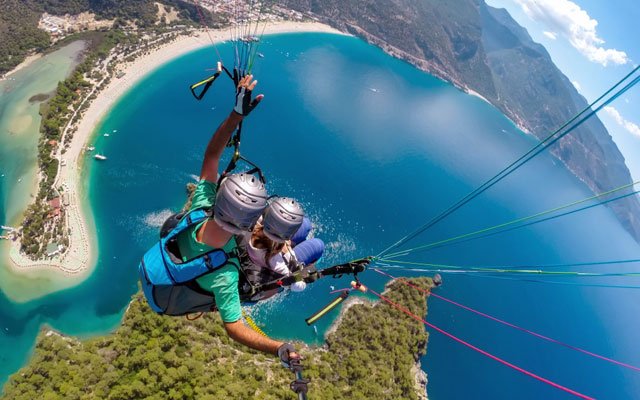
Picture this: you step off a private jet onto a sun-drenched tarmac in the Maldives, where a personal butler hands you a chilled glass of champagne while your kids splash in a villa pool that seems to float above the sea. No lines, no crowds, just pure escape. That scene isn’t a rare fantasy anymore—it’s happening more than ever. Luxury travel has exploded in recent years, with the global market hitting about $1.59 trillion in 2025 and on track to nearly double by 2033 at an 8.5% CAGR, according to Grand View Research. What started as a post-pandemic rebound has turned into a full-blown boom driven by deeper shifts in how the wealthy live, spend, and seek meaning. In this article, we’ll unpack exactly why luxury travel keeps surging, from new money pouring in to a craving for authentic experiences that no shopping spree can match. Stick around—you might just book your next trip by the end.
The Post-Pandemic Rebound That Ignited the Boom
After years of lockdowns and canceled plans, affluent travelers didn’t just return to the skies—they sprinted. Pent-up demand met a renewed appreciation for life’s fleeting moments, turning travel into the ultimate priority. Families who once delayed that dream safari now see it as non-negotiable family bonding time. Advisors from Virtuoso’s 2026 Luxe Report note 67% expect demand to rise further, proving the rebound has legs. It’s not hype; it’s humans reclaiming joy after uncertainty.
Rising Global Wealth Creates a New Class of Luxe Seekers
Wealth isn’t just growing—it’s concentrating in the hands of people who value experiences over stuff. The top 10% of earners now drive nearly half of big-ticket spending, fueled by stock gains, real estate, and a massive intergenerational transfer expected to hit $84 trillion in the U.S. alone. New millionaires in India, the Gulf, and Asia are joining the fray, with India’s affluent class projected to swell dramatically by 2027. Suddenly, a $50,000 trip feels like a smart investment in memories rather than another watch in the drawer.
The Shift from Possessions to Transformative Experiences
Remember when luxury meant a flashy car or designer bag? Those days are fading fast. Today’s high-net-worth individuals chase stories, growth, and connection—think a private yoga retreat in Bhutan or a chef-led foraging expedition in Tuscany. This “experience economy” shift explains why premium cabin revenue at airlines like Delta outpaced economy for the first time. People aren’t buying things; they’re buying feelings that last. And with wellness tourism alone headed toward $2 trillion by 2034, the data backs it up.
Quiet Luxury Replaces Flashy Excess
Forget the “billionaire backlash” against overt displays of wealth. Travelers now crave “deep luxury”—subtle, sensory, and soulful. Reports from The Future Laboratory highlight a move toward sanctuary over extravagance, with storytelling and heritage at the core. A minimalist villa in Santorini beats a blingy mega-yacht for many. It’s humorous how the ultra-rich are rebelling against their own stereotype, but it rings true: less show, more soul. This quiet approach keeps the boom sustainable and appealing to a broader, more discerning crowd.
Wellness Becomes the Ultimate Luxury Currency
Stress from work, screens, and world events has everyone craving reset buttons. Luxury travelers now book biohacking sessions in the Alps or immersive sound baths in remote Japanese onsen. The global wellness market’s explosive growth proves it—people pay top dollar for trips that heal body and mind. One advisor I chatted with shared how a client’s “sportcation” (blending tennis lessons with Michelin dining) turned a routine getaway into a life-changing recharge. It’s not fluff; it’s science-backed renewal that keeps clients coming back for more.
Hyper-Personalization Turns Trips into Bespoke Masterpieces
Generic five-star stays are out. Travelers want itineraries tailored to their quirks—whether that’s a multigenerational family adventure or a solo culinary deep dive. AI helps suggest options, but human advisors curate the magic, handling every detail from private transfers to surprise midnight picnics. Virtuoso data shows personalization as a top driver, with 76% of luxury clients relying on experts. It feels exclusive because it is, creating loyalty that no discount code can touch.
Sustainability and Regenerative Travel Gain Prestige
Eco-conscious luxury isn’t an oxymoron anymore. Affluent travelers willingly pay 30-50% more for regenerative stays that plant mangroves or support local artisans. Destinations like Kenya’s new sustainable concessions or private island escapes in the BVI lead the charge. It’s emotional too—knowing your splurge leaves the planet better feels profoundly good. This trend aligns values with vacation, boosting demand without the guilt.
Multi-Generational Trips Strengthen Family Bonds
Grandma, parents, and kids sharing a luxury villa? It’s the new normal. Busy families use high-end travel to reconnect across generations, with activities from kid-friendly safaris to wine tastings for adults. The boom reflects this: longer stays and bigger groups mean bigger spends. A friend of mine booked a private yacht in Croatia for 12 relatives and called it the best investment in family harmony he’s ever made. Laughter, stories, and shared awe create bonds money can’t otherwise buy.
Technology Elevates Without Replacing the Human Touch
Private jets with seamless apps, VR previews of villas, and AI butlers handling requests—tech makes luxury effortless. Yet the real draw remains human connection: a concierge who remembers your coffee order or a guide sharing insider folklore. This blend keeps the industry innovative while preserving what matters most. Travelers report higher satisfaction when tech fades into the background, letting authentic moments shine.
Emerging Destinations Draw the Crowd Away from Overtourism
Iceland’s Blue Lagoon is amazing, but try Mongolia’s vast steppes or Bhutan’s hidden valleys instead. New wealth geographies like Bengaluru or Riyadh are rising, while classic spots evolve with low-density options. Virtuoso’s 2026 report flags cultural immersion in places like South Korea as hot. Travelers seek novelty and space, escaping the selfie-stick hordes for genuine discovery.
Economic Polarization Widens the Luxury Lane
While many feel the pinch of inflation, the wealthy have thrived. This K-shaped recovery means premium cabins and hotels see record revenue even as budget travel lags. Skift notes the luxury bubble is swelling, with the top 1% anchoring growth. It’s not insensitive to acknowledge—it’s reality driving innovation across aviation, hotels, and cruises.
| Year | Global Luxury Travel Market Size (USD Trillion) | Key Driver |
|---|---|---|
| 2025 | 1.59 | Post-pandemic recovery |
| 2026 | ~1.72 | Wealth concentration |
| 2030 | ~2.36 | Experiential shift |
| 2033 | 3.04 | Wellness & personalization |
Sources: Grand View Research and aligned industry forecasts. Note the steady climb fueled by multiple factors.
Luxury Travel vs. Traditional Travel: A Quick Comparison
- Focus: Luxury emphasizes depth and exclusivity; traditional prioritizes volume and affordability.
- Spending: Luxury averages far higher per trip but delivers unmatched ROI in memories.
- Crowds: Luxury avoids them via private access; traditional often embraces popular routes.
- Sustainability: Luxury increasingly leads with regenerative options; traditional catches up slower.
This side-by-side shows why the affluent flock to the premium side—it’s simply better tailored to their lives.
Pros and Cons of the Luxury Travel Boom
Pros
- Creates jobs in high-end hospitality worldwide.
- Pushes innovation in sustainable and personalized experiences.
- Delivers profound personal growth for travelers.
- Boosts local economies in emerging destinations.
Cons
- Can strain resources in sensitive areas if not managed well.
- Widens the gap between haves and have-nots in tourism.
- Risk of over-commercialization diluting authenticity.
- Higher costs may exclude emerging affluent groups initially.
Balancing these will determine the industry’s long-term health.
People Also Ask
Why has luxury travel grown so much since the pandemic?
Pent-up demand, wealth growth, and a cultural pivot toward experiences over goods created perfect conditions for explosive recovery and continued expansion.
Is luxury travel still worth it in 2026?
Absolutely—advisors report rising spends and satisfaction when trips deliver meaning, wellness, and exclusivity that everyday life can’t match.
What are the top luxury travel trends for 2026?
Quiet luxury, cultural immersion, wellness resets, multi-generational adventures, and regenerative stays top the list from Virtuoso and other reports.
How much does a luxury trip typically cost?
Expect $10,000–$50,000+ per person for a week, depending on customization, but the value in memories and rejuvenation often outweighs the price tag.
Where are the hottest luxury destinations right now?
Emerging spots like South Korea, sustainable African concessions, and private islands in the BVI lead, alongside classics reimagined for low-density appeal.
FAQ: Your Burning Questions Answered
What exactly counts as luxury travel?
It goes beyond five-star hotels to include bespoke service, privacy, unique access, and experiences aligned with personal values—anything that feels thoughtfully elevated.
Will the boom continue into the late 2020s?
Yes, with CAGRs holding strong and new wealth entering the market. Advisors forecast sustained growth as long as personalization and authenticity remain priorities.
How can I afford luxury travel on a mid-range budget?
Focus on shoulder seasons, use points for upgrades, or book smaller-group experiences. Many “aspiring luxury” travelers start with one premium element per trip and build from there.
Are there downsides to all this growth?
Overtourism in popular luxe spots remains a risk, but the industry is shifting toward responsible practices to protect destinations.
Who benefits most from the luxury travel surge?
High-net-worth individuals, but also local communities through jobs and the broader travel ecosystem via innovation spillover.
The luxury travel boom isn’t a fleeting trend—it’s a reflection of how we value time, connection, and wonder in an increasingly chaotic world. Whether you’re a seasoned jet-setter or just dreaming of that first splurge, the reasons are clear: wealth is rising, priorities are shifting, and the experiences on offer have never been more compelling. Next time you scroll past a stunning villa photo, remember—it’s not just pretty; it’s part of something bigger. The world is waiting, and luxury travel is showing us how to explore it better. What will your next unforgettable journey look like?